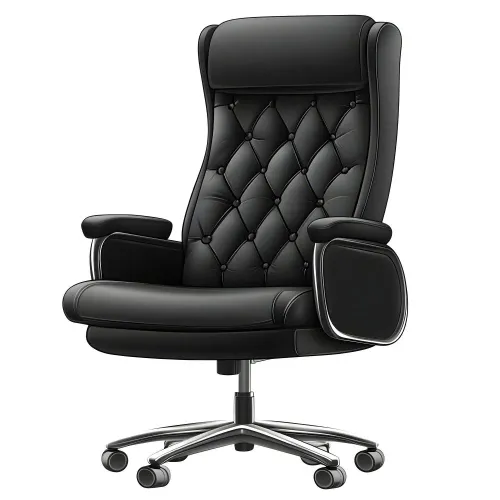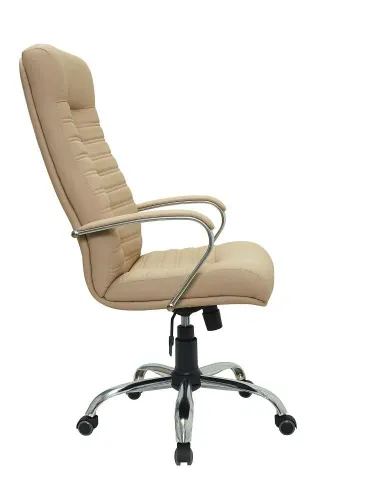
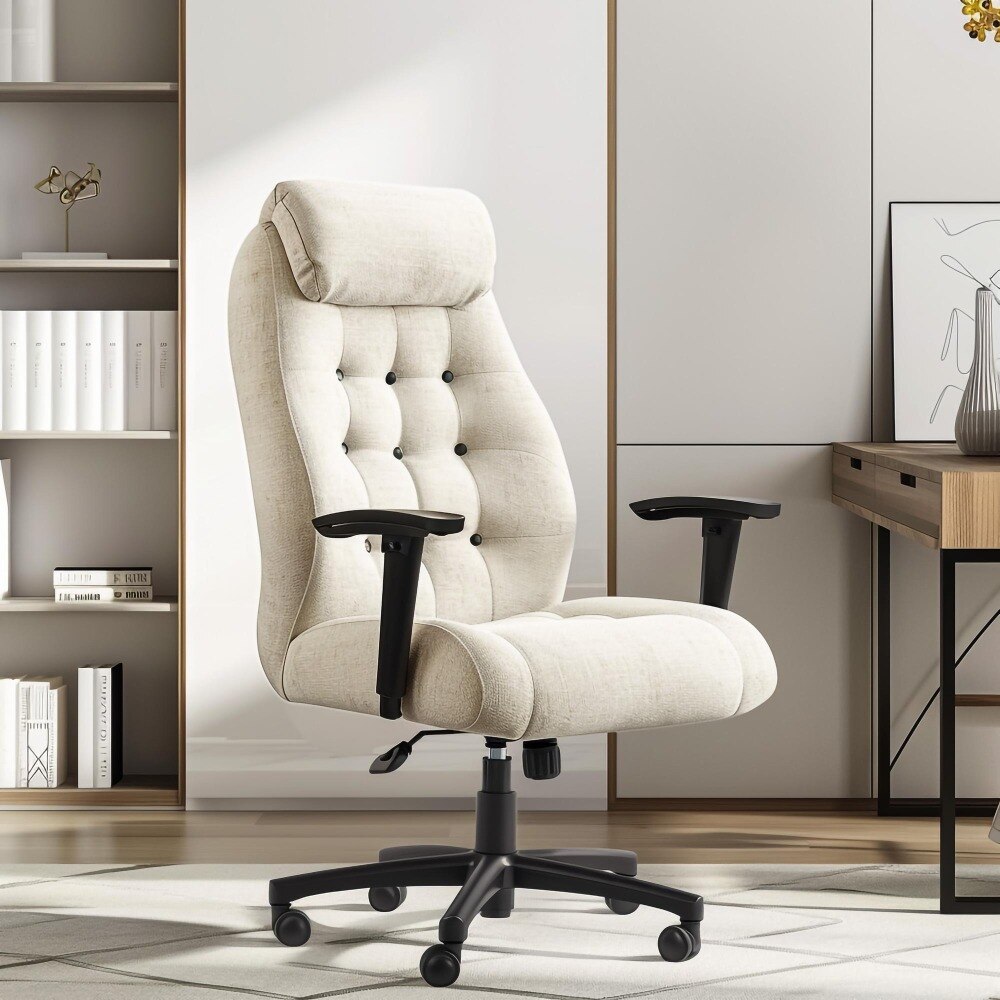
Dust, sweat, spills, monsoon moisture, and loose hardware can turn a comfortable revolving chair into a noisy, unstable seat. You will learn how to clean each surface, inspect the working parts, diagnose common faults, and decide when a repair or replacement is safer than continued use.
Key takeaways
- Vacuum grit before wiping upholstery, mesh, plastic, or metal surfaces.
- Tighten loose fasteners and inspect the base, gas lift, mechanism, and casters.
- Lubricate moving joints only when cleaning cannot resolve squeaks or stiffness.
- Stop using a chair with cracks, uncontrolled lowering, or a damaged base.
Clean upholstery, mesh, plastic, metal, and casters without causing damage
Use a vacuum or soft brush before wiping, because grit trapped in upholstery or mesh acts like sandpaper. For office chair maintenance, clean with a lightly damp microfibre cloth and a small amount of mild soap, then remove soap residue and dry completely.
- Fabric upholstery: Blot spills; do not rub them deeper into the foam. Lift food residue with a spoon, treat sweat with mild soapy water, and vacuum the seat-to-back joints.
- Faux leather or leatherette: Wipe ink, oil, and food marks gently with diluted mild soap. Never use bleach, acetone, paint thinner, abrasive powder, or an unapproved alcohol cleaner; they strip the finish and cause cracking.
- Mesh: Vacuum both sides with a brush attachment, then wipe with a nearly dry cloth. Do not scrub or soak the mesh.
- Plastic and painted or coated metal: Wipe dust and marks with mild soapy water, then dry immediately. Keep solvents and excess water away from seams and controls.
- Casters: Remove hair and grit from the wheel and housing with a dry brush or blunt tool, wipe each wheel, and let it dry before rolling the chair.
Test any cleaner on a hidden area first. Do not cover a damp chair with plastic, especially during Thane’s monsoon; trapped moisture encourages mildew and corrosion. This boss chair care guide also means drying the underside and mechanism fully, not just the visible seat.
For stubborn ink or oil, stop after gentle cleaning and ask the manufacturer before using a stronger product.
Use a daily, weekly, monthly, and quarterly maintenance routine
For office chair maintenance in Thane, use a shorter cycle during the monsoon, in shared workspaces, or wherever chairs sit near damp windows. Remove moisture immediately; never cover a damp chair with plastic.
- Daily: Wipe sweat, spills, and condensation with a lightly damp cloth, then dry the seat, back, armrests, and underside. Brush visible grit away from the seat-to-back joint and keep the chair away from leaks.
- Weekly: Vacuum or brush fabric, mesh, and crevices, including the five-star base and wheel housings. Visually check for trapped dirt, mildew smell, rust, torn upholstery, loose covers, and uneven rolling. Let upholstery dry completely before use.
- Monthly: Check caster movement, fasteners, armrests, seat wobble, and the gas-lift area. Remove hair and grit from wheel housings without forcing debris into bearings. Do not oil the lift rod or tilt mechanism unless the manufacturer identifies a lubrication point and specifies the lubricant.
- Quarterly: Perform a complete inspection of the base, casters, lift, seat mechanism, backrest, and underside. Confirm the chair remains within its user-weight rating and has not been overloaded by standing on the seat, dropping into it, or leaning heavily to one side.
Shorten every interval when the chair begins to creak, sink, wobble, or roll unevenly. A dry chair lasts longer than one sealed against monsoon moisture.
Tighten fasteners and inspect the base, lift, mechanism, and wheels
Check the chair monthly, and shorten the interval for shared seating, heavy daily use, damp storage, or monsoon exposure. Use a Phillips screwdriver, flat-head screwdriver, 10 or 13 mm spanner, adjustable wrench, and flashlight. Keep an Allen-key set nearby because many armrest and backrest bolts use hex sockets.
- Unplug nothing; instead, turn the chair upside down on a blanket and support the seat.
- Check the five-star base for cracks, bent legs, and looseness around the gas-lift socket.
- Test each caster stem, wheel, and housing for wobble, seized movement, hair, and grit.
- Inspect seat-to-base bolts, armrest fasteners, backrest screws, and tilt-mechanism bolts.
- Tighten each fastener only until the joint is firm. Stop when the screw head seats; forcing it can strip the thread, crush plastic, or distort the mounting plate.
Part-specific checks prevent the wrong repair:
| Part | Look for | Correct action |
|---|---|---|
| Base | Cracks, bending, lift socket play | Replace a damaged base; do not glue it |
| Gas lift | Sinking seat, loose cylinder fit | Match cylinder diameter and travel before replacement |
| Mechanism | Loose mounting bolts, side-to-side play | Tighten evenly in a cross pattern |
| Wheels | Split tread, seized axle, loose stem | Clean or replace the complete caster |
Do not hammer a caster into place or lubricate the gas-lift piston. Keep the chair within its user-weight rating, and avoid tightening a bolt against a cracked part. That discipline is the practical core of office chair maintenance.
Match each symptom to cleaning, lubrication, repair, or replacement
Test the chair while empty, then repeat while seated. The location and type of movement usually reveal whether you need cleaning, lubrication, repair, or replacement.
- A caster that drags, clicks, or will not swivel often has hair, grit, or thread around its axle. Remove the debris and spin it again. If the wheel is flat, cracked, seized, or still wobbles, replace the caster rather than dragging the chair.
- Movement at a joint, such as the armrest, backrest, or seat-to-base connection, points to a loose screw or bolt. Tighten the fastener evenly; if the hole no longer grips or the mounting plate flexes, arrange a repair instead of forcing a larger screw.
- A seat that gradually sinks, rises by itself, or will not hold its height indicates a failed gas-lift cylinder. Cleaning or oiling the piston will not restore its internal seal. Replace it with a cylinder matching the original dimensions and travel; never drill, cut, heat, or open one.
- Side-to-side seat play can come from loose mounting bolts, while a rocking backrest can come from backrest fasteners or the tilt lock. Tighten the accessible hardware first. If the tilt mechanism remains loose or tilts unexpectedly, stop using the chair and seek revolving office chair repair.
- A cracked five-star base, splitting caster socket, or damaged mounting plate requires replacement. Do not trust tape, adhesive, or a welded patch on a load-bearing plastic base.
- Lubricate only a manufacturer-specified point with its specified lubricant. Oil on the gas-lift rod attracts grit and can stain the floor or upholstery.
Know when to stop using the chair and choose a compatible replacement
Stop using the chair immediately if the five-star base is cracked, a caster socket is splitting, the seat is separating from its base, the backrest mount is loose, or the chair tilts unexpectedly. These are stability failures, not cosmetic defects.
Tape, adhesive, or a welded repair on a load-bearing plastic base is not a reliable substitute for the correct part.
A sinking seat, self-rising seat, or cylinder that no longer holds height points to a failed gas lift. Do not drill, cut, heat, open, or oil the cylinder; use a compatible replacement fitted with the correct puller or by a qualified technician.
| Failure or condition | Stop-use decision | Information to provide |
|---|---|---|
| Cracked base or splitting caster socket | Stop immediately | Photos, base material, caster stem shape and size |
| Sinking seat or lost height control | Stop using until repaired | Cylinder diameter, travel, overall length and chair model |
| Side-to-side seat movement | Stop if bolts cannot secure it | Mechanism photos and seat mounting-hole pattern |
| Rocking backrest | Stop if the mount or tilt lock is loose | Backrest fastener details and mechanism type |
| Damp upholstery or underside | Dry before use | Location of leak, moisture exposure and corrosion |
For office chair maintenance in thane, wipe monsoon water promptly and never cover a damp chair with plastic. When seeking repair or replacement in Thane, send clear photos, measurements, model markings, user-load information, and describe the symptom. Shaad Enterprises can use those details to distinguish a matching office chair component from a visually similar part.
This is the practical answer to how to maintain office revolving boss chair in thane.
Related products
 | Office Chairs Here is a ready-to-use assembly instruction content for your business Chirag Steel for a Revolving Boss Chair. View product → |
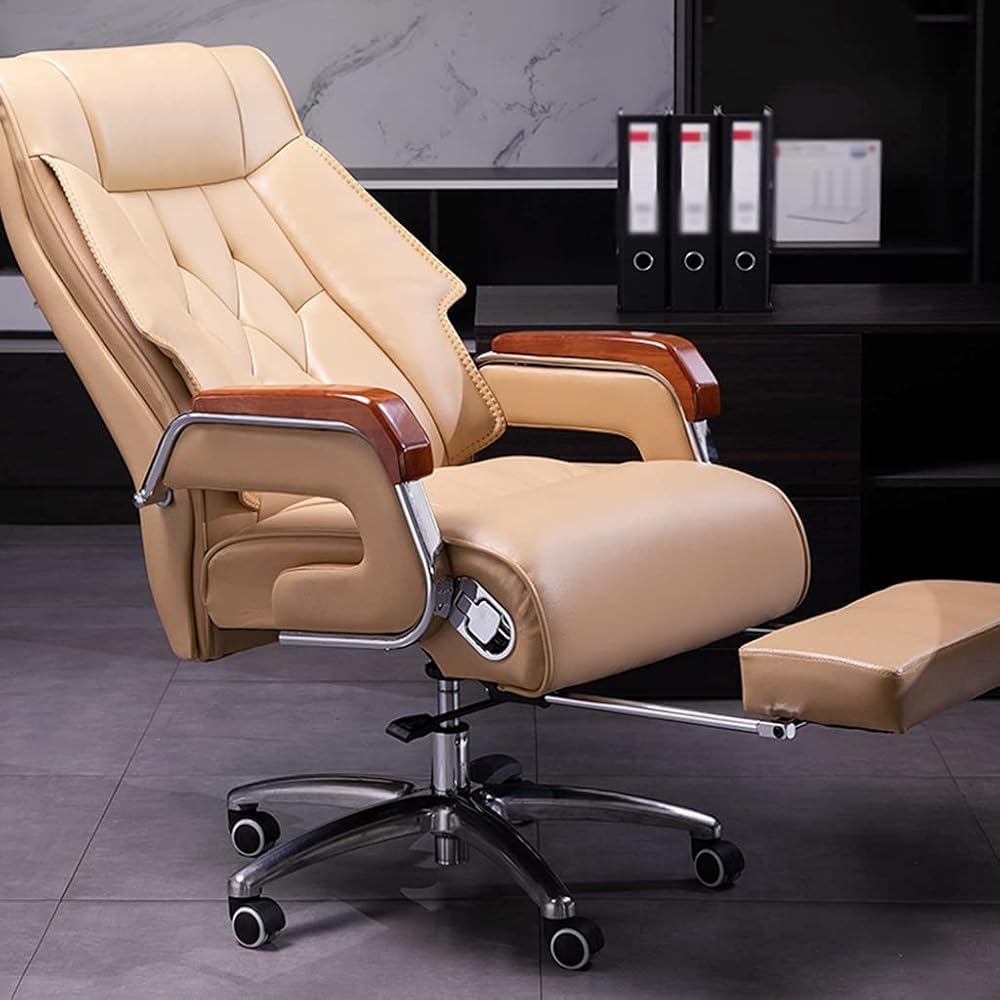 | Office Chairs Shaad Enterprises Shaad Enterprises presents premium quality Boss Office Chairs designed to offer superior comfort, executive style, and long-lasting... View product → |
Frequently asked questions
How should you clean an office revolving boss chair?
Vacuum or brush away grit first. Wipe upholstery, mesh, plastic, and metal with a lightly damp microfibre cloth and mild soap, remove residue, and dry every surface completely.
How often should you maintain a revolving office chair?
Clean spills and visible dirt daily, perform a broader clean and fastener check weekly, inspect the lift and mechanism monthly, and examine the base, casters, and frame quarterly.
What should you inspect during office revolving chair maintenance?
Check for loose fasteners, cracks in the five-star base, uneven casters, gas-lift problems, damaged mechanism parts, torn upholstery, and mesh that has lost tension.
When does a revolving office chair need repair or replacement?
Use cleaning for dirt, lubrication for suitable moving joints, and repair for replaceable loose or worn parts. Stop using the chair when the base is cracked, the lift drops without control, or the mechanism cannot hold a safe position.
Related products
 | Office Chairs View product → |
 | Office Chairs Here is a professional assembly guide you can use for your business Chirag Steel when assembling a Revolving High Back Chair for customers. View product → |
 | Office Chairs Here’s a simple, step-by-step assembly guide you can use for assembling Low Back Office Chairs in your business (e.g., Chirag Steel) — suitable for... View product → |
 | Office Chairs Here is a professional assembly guide you can use for Premium Office Chairs in your business Chirag Steel. View product → |
Keywords